
Pouring chemical drain cleaners down a stubborn sink month after month is a frustrating exercise in futility. In historic and mid-century Connecticut homes across Hartford, Middletown, and New Haven counties, recurring clogs are almost always structural symptoms of aging pipe materials, improper venting, or antiquated trap configurations rather than simple isolated hair clogs.
The Physics of Cast-Iron Tuberculation & Channel Rot
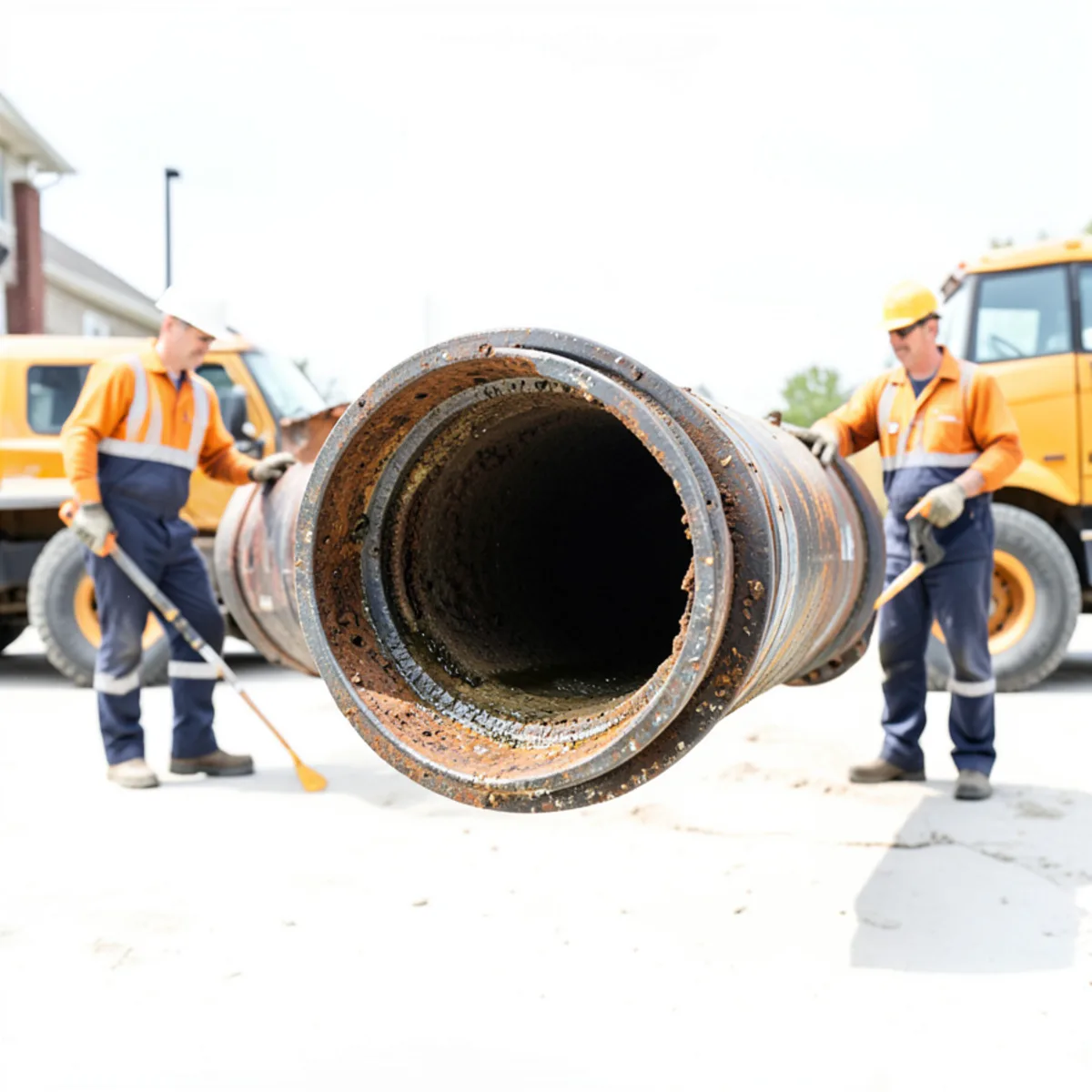
Most residential structures built in Connecticut prior to 1970 utilize heavy cast-iron soil stacks and horizontal underground waste lines. While cast iron boasts impressive structural longevity, it does not corrode with a smooth surface patina. Decades of exposure to atmospheric oxygen, acidic food wastes, and detergents trigger internal tuberculation—an electrochemical reaction that generates jagged, protruding rust mounds and mineral nodules across the inner pipe circumference.
Over decades of daily use, severe tuberculation reduces a four-inch pipe’s effective interior diameter to less than two inches. The rough interior acts like industrial-grade sandpaper, snatching paper fibers, hair strands, and congealed fats from normal wastewater discharge. Worse still, standing acidic water in older horizontal runs causes channel rot—a condition where the bottom invert of the cast-iron pipe oxidizes until it flakes away completely, allowing wastewater to seep into basement foundation soils.
Need Urgent Plumbing Assistance in Greater Hartford?
Connect with an independent local pro ready to dispatch across Glastonbury, East Hartford, Manchester, and surrounding towns. Free to call with upfront written estimates.
Comparing Drain Clearing & Rehabilitation Technologies
| Method | Primary Mechanism | Effect on Cast-Iron Scale | Risk to Vintage Pipes |
|---|---|---|---|
| Chemical Drain Openers | Sulfuric acid or sodium hydroxide exothermic reaction | Zero scale removal; melts grease into soap sludge | High: Exothermic heat damages vintage lead joints and melts wax seals |
| Motorized Cable Augering | Rotating steel spring cable with cutting blades | Bores small pilot hole through soft clogs | Low to Moderate: Restores immediate flow but leaves scale intact on pipe walls |
| High-Pressure Hydro-Jetting | 3,000–3,500 PSI forward and radial water nozzles | Scours grease, sludge, and organic scale to bare metal | Low when pressure is calibrated by an independent plumbing professional |
| Carbide Chain Flail Descaling | High-speed flex-shaft with carbide-tipped circular chains | Grinds rust nodules smooth, restoring full original pipe bore | Low: Specifically engineered for cast-iron restoration before CIPP lining |
Expert Field Insight: Antiquated Running Traps in Historic Basements
In historic 19th- and early 20th-century neighborhoods throughout Hartford, Wethersfield, and Middletown, residential plumbing systems were installed under plumbing codes that predated modern fixture venting. Plumbers of that era installed a whole-house 'running trap' (or building trap)—a massive U-shaped cast-iron casting embedded in the earthen or stone basement floor directly upstream of the foundation exit wall.
These vintage running traps were originally designed to prevent municipal sewer gas from entering the home before sinks and tubs had individual traps. Today, they represent a severe chronic maintenance hazard. Running traps have two threaded brass cleanout plugs that frequently seize, making cable access nearly impossible. More critically, the sluggish water pool inside the trap’s belly creates an engineered obstruction that catches toilet paper and grease with every flush. Cutting out the antiquated running trap and replacing it with a continuous schedule 40 PVC sweep and dual directional cleanouts is often the single most effective permanent upgrade for an older Connecticut home.
Improper Venting, Negative Pressure & Atmospheric Siphonage
A gravity-driven plumbing system requires continuous atmospheric air intake to operate smoothly. Whenever water rushes down a vertical drain stack, it displaces air ahead of it and creates a low-pressure vacuum behind it. Modern plumbing systems utilize dedicated vertical vent stacks extending through the roof to supply fresh air, neutralizing pressure differentials and protecting the water barrier in P-traps.
In older Connecticut homes that have undergone multiple unpermitted DIY bathroom or kitchen remodels, vent lines are frequently omitted or improperly terminated. Without adequate venting, drainage creates a siphoning effect that sucks water out of nearby fixture traps, releasing foul methane sewer gases into living areas. Furthermore, the trapped air pocket beneath the water column creates a hydraulic cushion that causes sinks, bathtubs, and washing machine standpipes to drain at an agonizingly sluggish pace while gurgling aggressively.
Structural Pipe Sags, Bellies, and Lead Closet Bends
Structural shifting in older New England homes directly impacts gravity drainage lines. Over decades of seasonal freeze-thaw cycles and foundation settlement, horizontal waste pipes suspended from basement joists can lose their engineered slope of one-quarter inch per foot. When a section sags below the grade line, it creates a pipe belly—a low spot permanently filled with standing wastewater. Solid waste traveling down the line loses hydraulic momentum inside the belly, settling to the bottom and forming an anchor for recurring clogs.
Additionally, older second-story bathrooms frequently feature vintage lead closet bends connecting the toilet to the cast-iron stack. Unlike modern PVC or cast iron, lead is malleable and easily deforms under building movement or repeated foot traffic. Distorted lead bends develop internal ridges and oval cross-sections that repeatedly catch toilet paper. Replacing deformed lead bends with rigid PVC sweeps and modern stainless steel closet flanges permanently resolves stubborn toilet clogs.
Retrofitting Exterior Directional Sweep Cleanouts for Easy Access
Many older Connecticut homes lack an accessible ground-level sewer cleanout. In these properties, plumbers must pull a heavy ceramic toilet or drag bulky 150-pound sewer machines into finished living spaces to reach a basement drain, increasing labor costs and property mess. An independent contractor can excavate a small pit in your front yard to install an exterior directional PVC two-way cleanout riser with a flush-to-grade threaded brass cap. This retrofit provides straight-line access for full-size four-inch root-cutting blades and hydro-jetting equipment, keeping heavy machinery outside your home and dramatically lowering future drain clearing costs.
Galvanized Steel Waste Arm Corrosion & Internal Calcification
In Connecticut residences constructed between 1920 and 1965, secondary fixture branches serving bathroom vanities and kitchen sinks frequently transitioned from cast iron into 1.5-inch threaded galvanized steel waste arms (historically known as the Durham system). Over half a century of contact with soapy wastewater, the protective zinc coating dissolves, initiating aggressive internal oxidation. The steel pipe develops internal calcified rust mounds that constrict a 1.5-inch diameter down to less than a half-inch. When bathroom sinks or laundry basins drain at an agonizing crawl, plunging or shallow cabling cannot expand the corroded steel bore; replacing the calcified steel nipple with smooth PVC or copper is required to restore flow.
Winter Cellar Temperatures & Kitchen Grease Congealing Dynamics
Winter temperatures across Greater Hartford heavily influence interior drainage performance. In homes with uninsulated fieldstone cellars or vented crawlspaces in Hartford, Middletown, or Glastonbury, winter basement temperatures routinely hover between 35°F and 45°F. When hot kitchen wastewater containing dissolved butter, cooking oils, or animal fats travels down into chilled cast-iron pipes, it suffers rapid thermal shock. The fats instantly solidify, plastering against cold cast-iron pipe crowns and sidewalls. Over successive winter months, these lipid deposits harden into dense fatty acid plugs that catch food particles and choke kitchen drainage.
Connecticut State Building Code Compliance for Drainage Alterations
Under the 2022 Connecticut State Building Code (incorporating the 2021 International Plumbing Code), any substantial alteration to residential sanitary drainage—including replacing cast-iron soil stacks, modifying vent configurations, or retrofitting external cleanouts—requires a plumbing permit from your municipal building department. Independent plumbing contractors ensure that newly installed PVC drainage adheres to minimum pitch standards (at least 1/4 inch per foot for piping up to 2.5 inches in diameter) and passes mandatory head-of-water pressure testing before final inspection signoff.
Proactive Maintenance Protocol for Older Connecticut Drainage Systems
- 1Schedule a Video Camera Survey: Connect with an independent local drain specialist to run a self-leveling fiber-optic camera through your main line to inspect for channel rot, pipe bellies, or missing cleanouts.
- 2Perform Mechanical Descaling: Rather than repeatedly snaking the same pipe, have heavily tuberculated cast-iron lines mechanically descaled using rotating carbide chain flails to restore full flow capacity.
- 3Install Exterior Two-Way Cleanouts: Excavate a small access pit outside the foundation to install a dual-directional PVC cleanout, providing direct ground-level access for high-capacity jetting equipment.
- 4Eliminate Harsh Chemical Openers: Protect vintage solder joints and thinned cast-iron walls by avoiding caustic chemical drain cleaners that cause severe exothermic corrosion.
- 5Upgrade Antiquated Fixture Traps: Replace unvented S-traps and deteriorated lead closet bends with code-compliant PVC P-traps and mechanical air admittance valves where permitted by local building codes.
When to Connect with an Independent Drain Diagnostic Specialist
If multiple fixtures in your home back up simultaneously, or if wastewater rises into your basement floor drain whenever the washing machine drains, you are dealing with a mainline obstruction rather than an isolated fixture clog. Continuing to run water under these conditions risks catastrophic wastewater overflow and costly structural damage to finished basements.
To connect with an independent local drain specialist equipped with high-resolution diagnostic cameras, hydro-jetters, and mechanical descaling tools, call our dispatch line at (321) 559-0657. A knowledgeable operator will assess your situation and connect you with an experienced plumbing contractor serving Hartford and Middlesex counties.
Visual Field Reference & Diagnostic Guides
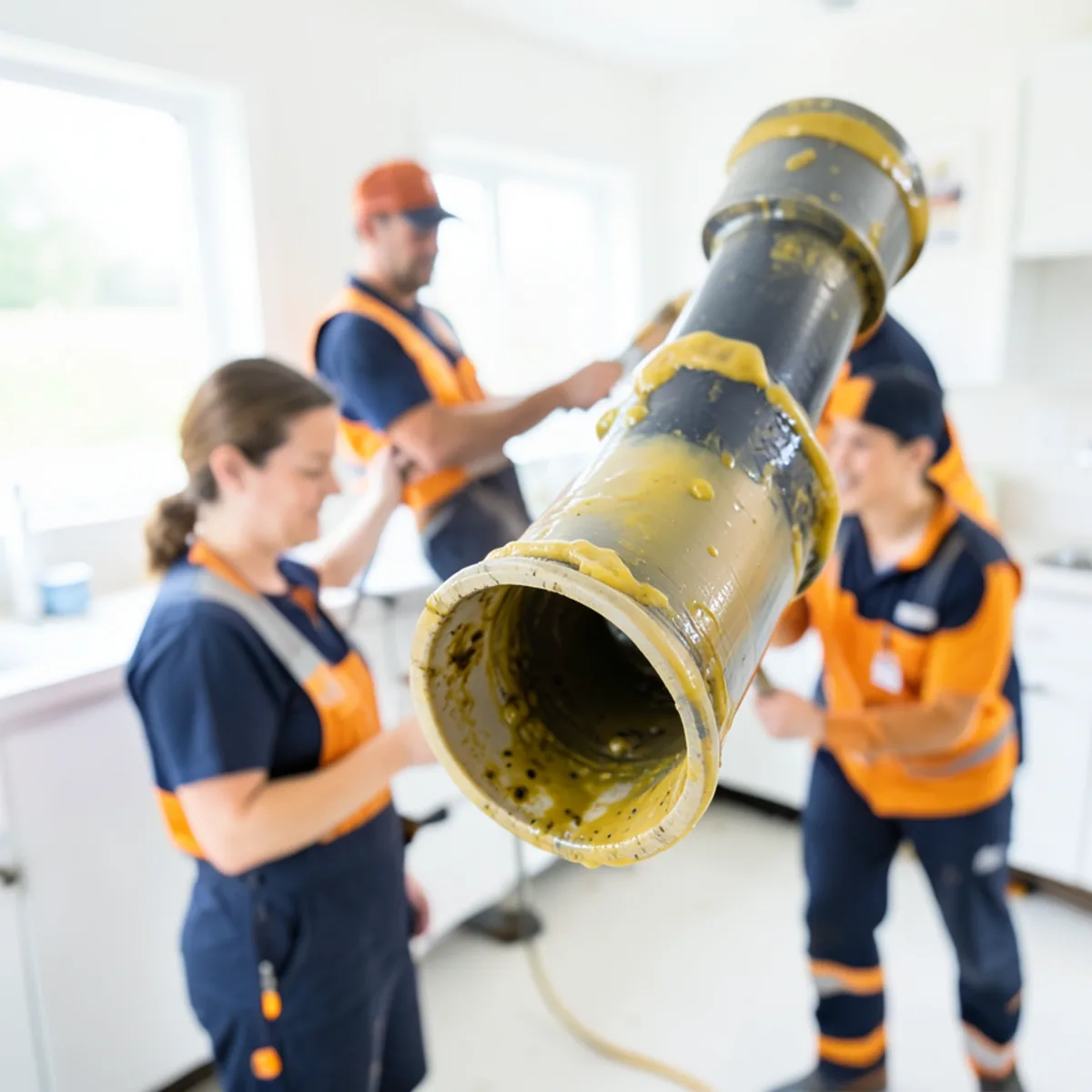
Removed kitchen sink tailpiece showing internal congealed grease buildup
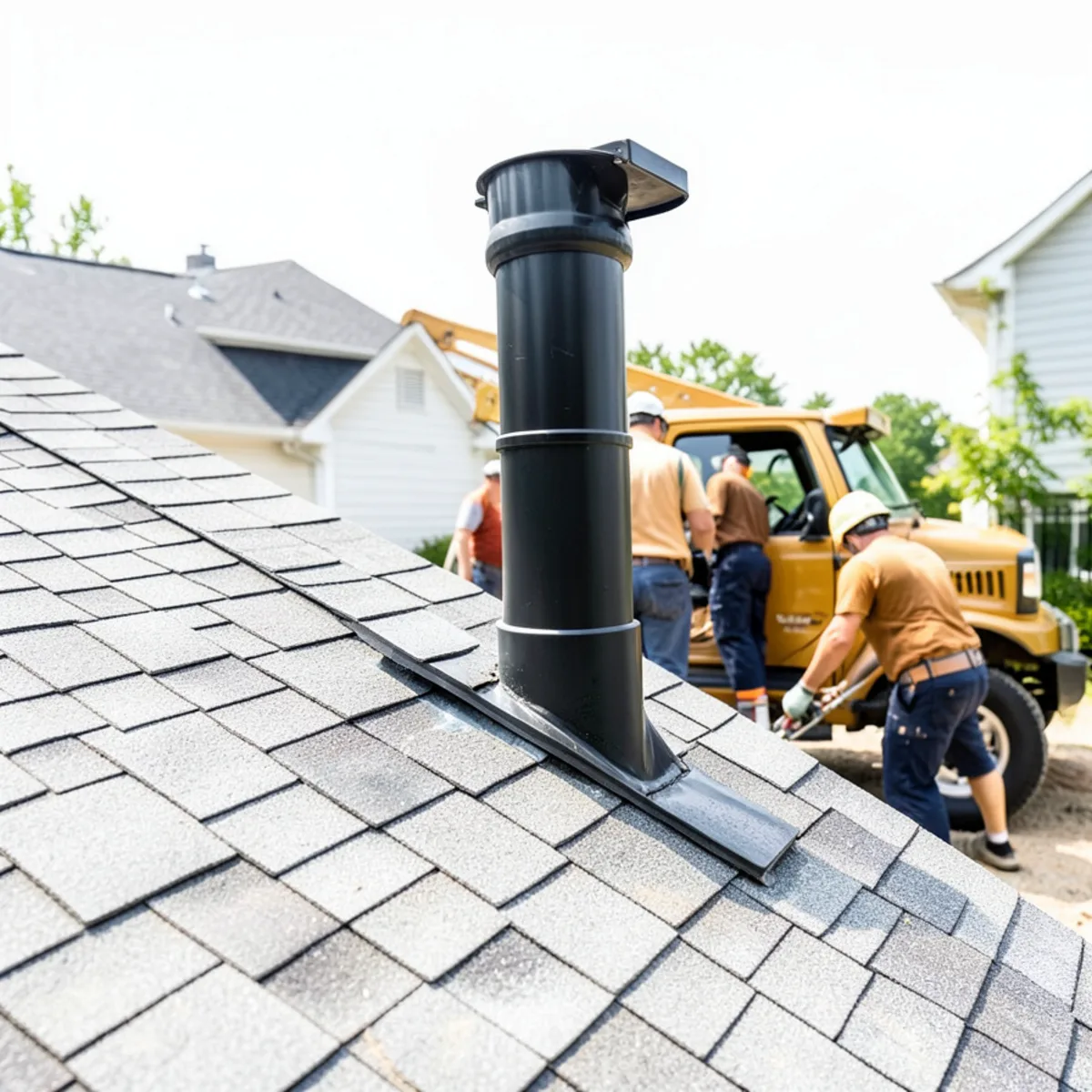
Plumbing vent pipe flashing extending through residential asphalt roof

Plumber operating motorized cable snake into residential cleanout
Cited References & Regulatory Authorities
Article FAQs
Direct answers to common questions addressed in this guide.
Gurgling toilets indicate that air cannot escape through your roof vent pipe or that a partial restriction in the main horizontal drain is forcing displaced air to push backward through the toilet’s water trap seal.