

Chemical drain openers purchased from big-box stores provide temporary relief at best—and at worst, their caustic acids generate intense exothermic heat that softens PVC joints and accelerates cast-iron corrosion. Professional mechanical cleaning tackles the actual physical obstruction safely and permanently.
Signs Your Drain Needs Professional Attention
Drains rarely fail without warning. Recognizing the early symptoms of wastewater restriction allows you to address the blockage before wastewater backs up into your living spaces:
- Slow Draining Across Multiple Fixtures: When water pools around your ankles during a shower or your kitchen sink takes minutes to empty, pipe diameter has narrowed.
- Gurgling & Bubbling Sounds: Gurgling noises from toilets or floor drains when laundry runs indicate air is trapped behind a downstream blockage.
- Foul Sewer Gas Odors: Decaying organic debris, grease build-up, or compromised water trap seals allow sewer gasses to enter basement and living areas.
- Water Backing Up in Adjacent Fixtures: Flushing a toilet that causes water to rise inside a nearby bathtub or basement floor drain confirms a main building line clog.
Professional Drain Clearing Technologies Compared
Independent contractors utilize targeted mechanical equipment based on the pipe material, age, and nature of the obstruction:
Need Urgent Plumbing Assistance in Greater Hartford?
Connect with an independent local pro ready to dispatch across Glastonbury, East Hartford, Manchester, and surrounding towns. Free to call with upfront written estimates.
Local Plumbing Considerations in Greater Hartford
In historic communities like Wethersfield, Manchester, and South Glastonbury, older homes often have original cast-iron drain stacks. Over decades, cast iron undergoes internal tuberculation—a process where rust flakes into rough, jagged scales along the pipe interior. These rough surfaces catch lint, toilet paper, and hair, creating frequent recurring blockages. Independent pros understand how to clear these delicate vintage pipes without causing structural cracking.
Kitchen Grease Saponification & Horizontal Lateral Chokes
Kitchen drain lines represent the highest frequency localized blockage call across Hartford County. Even homeowners who conscientiously scrape plates into trash cans introduce microscopic fats, gravies, and salad dressings into the plumbing during hot water dishwashing. As this graywater travels through uninsulated horizontal drain pipes routed beneath cold basement concrete floors, the liquefied fats cool, congeal, and coat the pipe walls.
Over time, these lipid deposits chemically saponify into rock-hard calcium-fatty-acid deposits that completely resist regular household plunging. When garbage disposals grind fibrous vegetables like celery, potato peels, or pasta, the starchy sludge embeds directly into this grease matrix, forming an impermeable dam. Restoring these compromised lines requires high-velocity forward-cutting jet nozzles that slice through grease without fracturing aging slip-joint couplings.
Main Building Running Traps vs Modern Cleanout Assemblies
In homes constructed prior to 1960 across Hartford, East Hartford, and Wethersfield, plumbing systems frequently incorporate a whole-house "building trap" (also known as a running trap) located just inside the foundation wall where the main drain exits into the yard. These U-shaped cast-iron traps were originally intended to prevent sewer gas from entering the home before modern individual fixture venting was standardized.
Unfortunately, these vintage running traps act as severe hydraulic choke points. Heavy solids, toilet paper, and grease easily lodge in the bottom dip of the trap, causing recurring whole-house sewage backups during heavy laundry or shower usage. When contractors encounter these outdated assemblies, they can snake through the brass cleanout caps or recommend retrofitting the section with modern directional PVC sweep tees that provide straight-line camera and mechanical access.
Diagnostic Breakdown: Drain Snaking vs Hydro-Jetting
Selecting the appropriate mechanical clearing method depends on pipe age, material, and obstruction severity. Here is how professional contractors evaluate the intervention:
| Evaluation Factor | Mechanical Drain Snaking | High-Velocity Hydro Jetting |
|---|---|---|
| Primary Mechanism | Rotating tempered steel cable with cutting head | 3,000–4,000 PSI water stream with reverse thrusters |
| Best Obstruction Type | Solid objects, tangled hair, flushable wipes | Congealed cooking grease, heavy mineral scale, tree root mats |
| Cleaning Scope | Bores a 1.5–3 inch flow channel through the obstruction | Scours 100% of internal pipe wall circumference to bare material |
| Pipe Safety Considerations | Extremely safe for all vintage pipe materials | Requires pre-inspection camera check on brittle clay or thin cast iron |
| Long-Term Longevity | Restores immediate gravity flow; debris remains on walls | Leaves pipes virtually spotless, preventing quick re-clogging |
Preventing Recurring Household Drain Clogs
Simple proactive habits protect your household drainage network between professional service visits:
- 1Never Pour Cooking Grease Down the Sink: Collect liquid oils, butter, and bacon grease in a heat-resistant container and dispose of them in municipal trash once cooled.
- 2Avoid "Flushable" Wipes: Despite manufacturer labeling, non-woven wipes do not break down in water and remain the leading cause of residential sewer lateral blockages.
- 3Install Fine Mesh Sink Strainers: Catch hair, soap scum chips, and food particles before they enter your P-trap.
- 4Flush Branch Lines Periodically: Run hot tap water down kitchen drains for 60 seconds after heavy dishwashing to prevent fats from solidifying in cold basement runs.
Connecticut Trade Credentials for Drainage Maintenance
While routine cable snaking of a fixture trap does not require building permits, altering drain venting, replacing corroded lead closet bends, or cutting into municipal stack pipes requires licensed plumbing personnel under Connecticut Department of Consumer Protection statutes. When hiring a contractor for extensive drainage work, confirm that the supervising professional holds an active P-1 Unlimited Plumbing Contractor license by searching the public database at elicense.ct.gov.
Roof Vent Stack Clearing & Atmospheric Pressure Balance
Proper drainage depends equally on unobstructed airflow through your home’s vertical plumbing vent stacks. When three-inch cast-iron or PVC vent pipes terminating through the roof become blocked by autumn leaves, bird nests, or winter frost rime in freezing January weather, a negative pressure vacuum develops inside the drainage network. Every time a toilet flushes or a bathtub drains, the trapped vacuum pulls water out of nearby fixture P-traps, producing loud gurgling noises and allowing raw sewer odors to escape indoors. Independent drain specialists inspect and clear vent stacks from roof flashings down to basement tie-ins, restoring balanced atmospheric pressure across all drainage fixtures.
Seasonal Drain Maintenance Protocols for Hartford County Homeowners
New England seasonal transitions create predictable stress points on residential drainage networks. During autumn, falling oak and maple foliage can clog exterior gutters, area drains, and yard catch basins, forcing stormwater back into building perimeter foundations. In deep winter, cold outdoor temperatures cool horizontal drain runs in unheated crawlspaces, causing grease to solidify faster. Professional contractors recommend an annual preventive high-volume hot water flush and visual trap inspection each fall to prevent winter freeze-ups and holiday kitchen backups.
The 6-Step Professional Drain Diagnostic & Clearing Protocol
When you schedule drain service through our Glastonbury dispatch desk, responding contractors execute a standardized 6-step clearing procedure designed to protect your piping infrastructure and eliminate blockages completely:
- 1Initial Fixture Flow & Trap Assessment: The plumber examines the affected sink, tub, or floor drain, checks fixture trap seals, and isolates whether the problem is localized or affecting the broader drainage trunk.
- 2Cleanout Access Staging: The contractor locates the nearest primary cleanout fitting in the basement, crawlspace, or yard. If no cleanout exists, the toilet is carefully unbolted and lifted to provide full-diameter pipe access.
- 3High-Resolution Fiber-Optic Camera Inspection: A flexible camera with self-leveling optics and a 512 Hz locating sonde is guided down the line to visually identify whether grease, hair, scale, or tree roots caused the obstruction.
- 4Targeted Mechanical Cable Auger Penetration: For dense solid blockages or invasive tree roots, a heavy-duty electric drain snake with tempered cutting blades bores through the core to restore immediate gravity drainage.
- 5High-Velocity Hydro Jet Wall Scouring: For grease-choked kitchen laterals or mineral-scaled cast iron, 3,500 PSI water jets with reverse thrusters scour the full 360-degree circumference back to bare pipe.
- 6Secondary Video Verification & Flow Test: The contractor re-inserts the camera to document that all debris has been thoroughly flushed, resets fixtures with new wax rings where applicable, and runs multiple high-volume water tests to verify rapid discharge.
What Dictates Drain Cleaning Costs Across Hartford County?
Professional drain clearing costs depend directly on the physical complexity of the line rather than arbitrary flat fees. In Glastonbury and neighboring Hartford County towns, standard localized sink or tub trap snaking generally falls between $125 and $300. Main building sewer lateral clearing or heavy tree root cutting typically ranges from $275 to $550, while whole-house hydro jetting and dual-direction video camera inspections reflect specialized machine deployment ranging from $450 to $850.
Key pricing variables include ease of cleanout accessibility (an accessible ground-level cleanout costs less than pulling a heavy ceramic toilet or working from a steep roof vent stack), the length of the run from the foundation to the street main, and the structural condition of aging cast-iron or vitrified clay lines.
Why Connect Through Our Glastonbury Dispatch Desk?
Hector Plumbing Solutions links homeowners with established, independent drainage contractors throughout Glastonbury and the Greater Hartford corridor. Calling our dispatch desk provides distinct service benefits:
- Direct Connection to Local Pros: Fast routing to contractors operating in your immediate municipality, reducing wait times when drains are backed up.
- Upfront Written Diagnostic Estimates: No hidden surprises; independent contractors inspect your drainage lines and provide itemized pricing before turning on equipment.
- Comprehensive Mechanical Capabilities: Dispatched contractors arrive equipped with both continuous-cable augers and commercial hydro jetters to handle any blockage severity.
- Connecticut DCP Licensing Compliance: We advocate consumer protection by providing direct guidance on verifying contractor trade credentials on the state eLicense portal.
Drain Cleaning & Clog Removal Equipment & On-Site Diagnostics
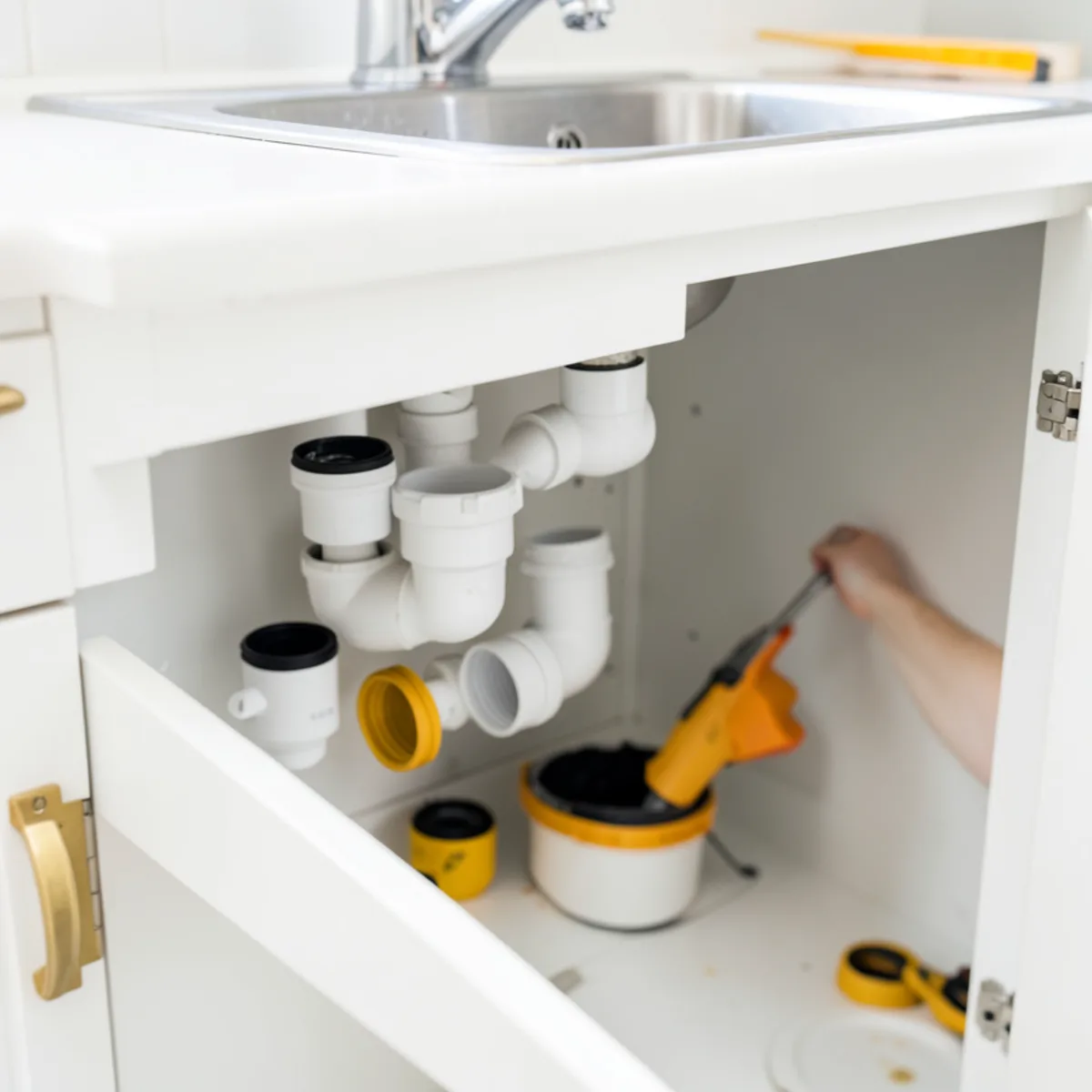
Cleaned PVC P-trap pipe beneath kitchen sink
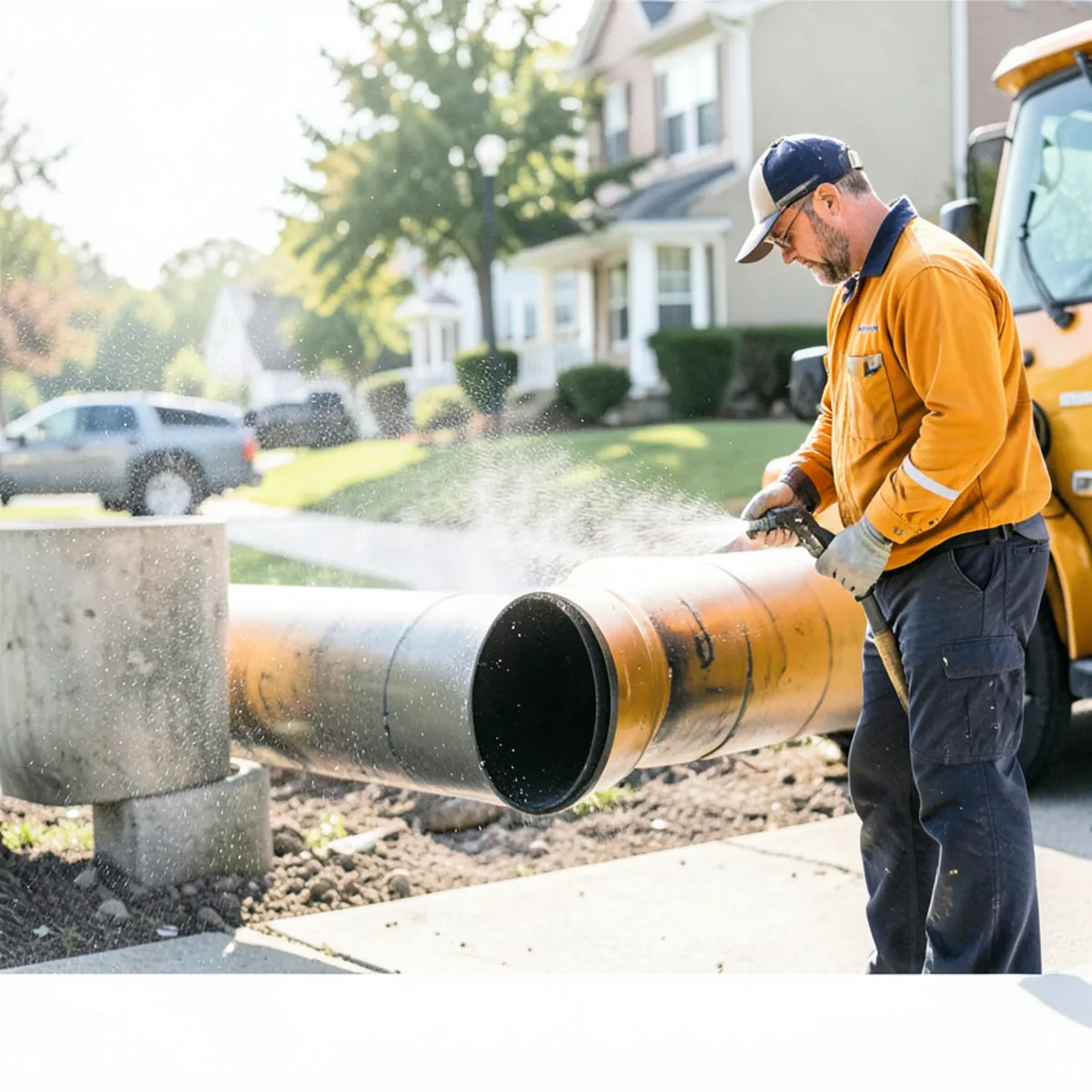
High pressure hydro jet nozzle in sewer cleanout
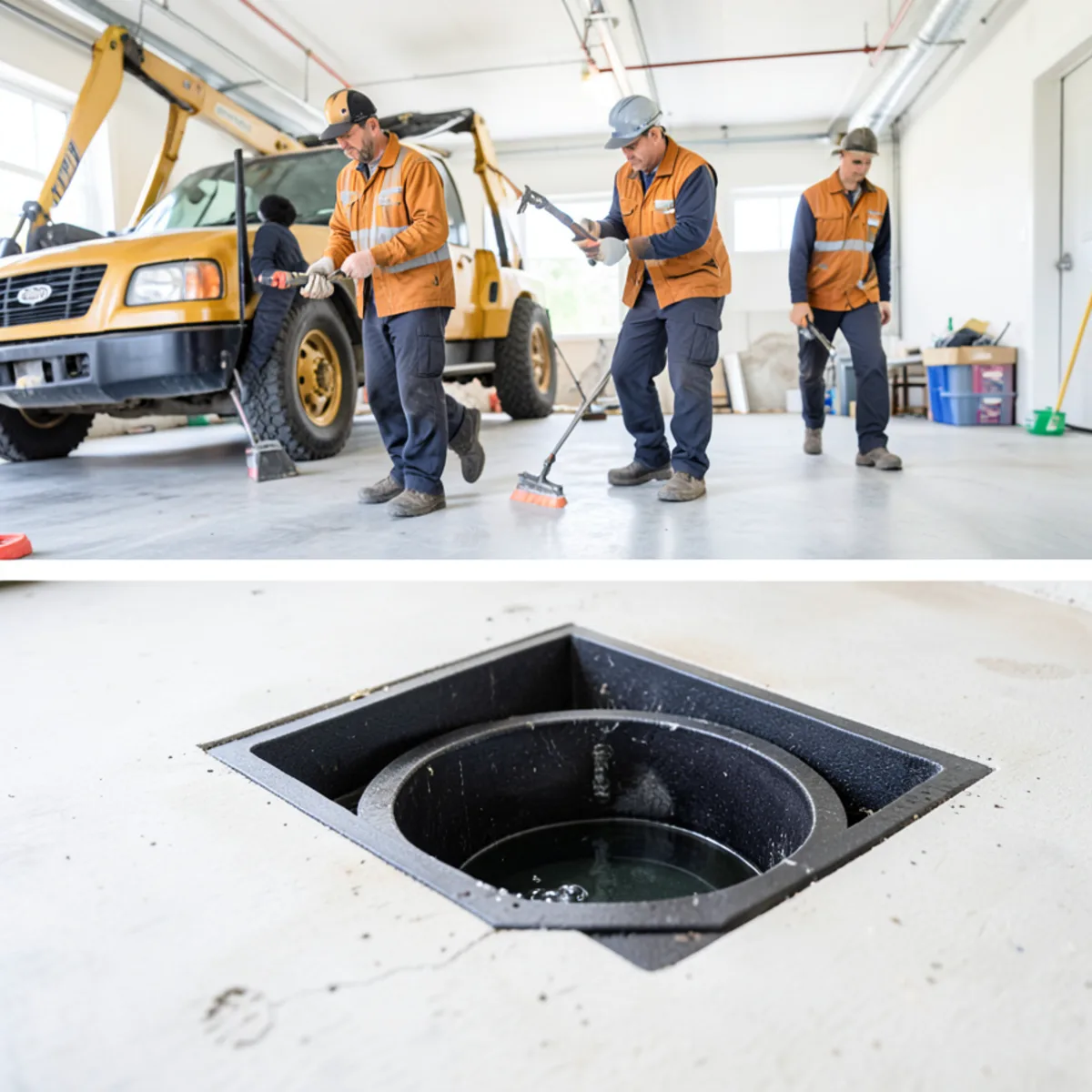
Basement floor drain trap maintenance

Root cutting auger blade for drain cleaning
Where We Connect Drain Cleaning & Clog Removal Calls
Independent contractors taking calls for drain cleaning & clog removal dispatch promptly across the following primary Greater Hartford towns:
Drain Cleaning & Clog Removal FAQs
Answers to common questions regarding diagnostic methods, pricing factors, and service timelines.
Chemical drain cleaners contain sulfuric acid or sodium hydroxide that generate intense heat. In older Connecticut homes with cast-iron or vintage brass pipes, these chemicals eat away at pipe walls and melt wax seals. Furthermore, standing acid water creates a severe chemical burn hazard for the technician who must clear the drain mechanically.