
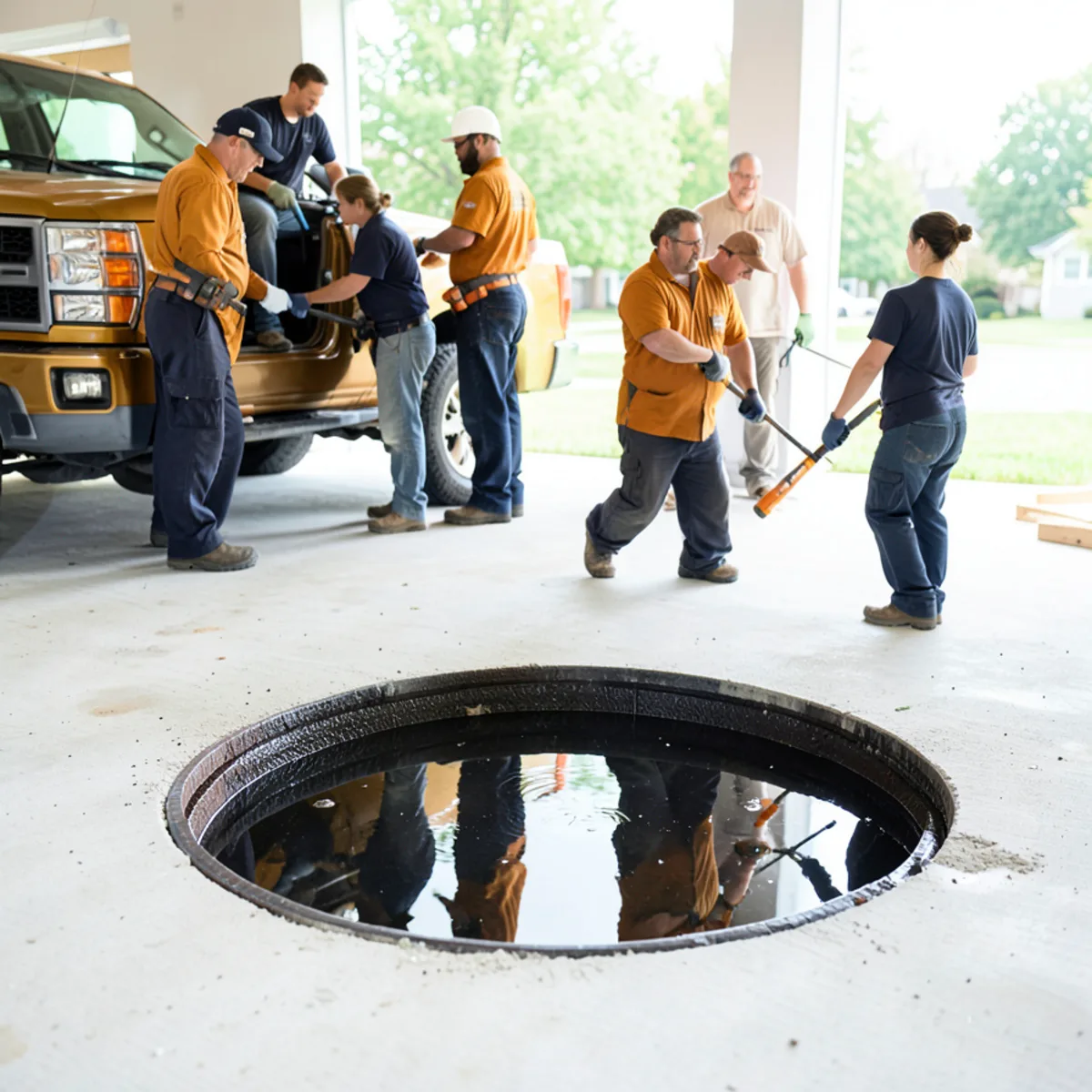
A basement sewer backup represents a severe dual crisis: immediate health hazards from Category 3 contaminated blackwater, and confusing financial questions about whether your insurance company, your municipal water authority, or your own bank account must pay for cleanup and repairs.
Homeowner vs Municipal Responsibility in Connecticut
Many homeowners assume that because they pay sewer fees to the Metropolitan District Commission (MDC) or their municipal water pollution control authority (WPCA), the utility is responsible whenever sewage backs into a basement. Under Connecticut General Statutes, however, property lines establish legal responsibility:
- The Private Sewer Lateral: The property owner owns and is 100% responsible for the entire sewer lateral pipe running from inside the home foundation all the way out to the connection collar at the public main in the street.
- Municipal Street Mains: The utility is only responsible for the large public collection main buried beneath the street roadway.
- Governmental Immunity: Even if a public sewer main backs up due to heavy rain or a fatberg obstruction, municipal entities like the MDC are generally protected by statutory governmental immunity under CT General Statutes § 52-557n, unless the homeowner can prove gross operational negligence.
Does Standard Homeowners Insurance Cover Sewer Backups?
The short answer is no. Standard HO-3 homeowners insurance policies in Connecticut explicitly exclude damage caused by water that backs up through sewers, drains, or overflows from a sump pump. To be covered, you must have purchased an optional policy endorsement:
Need Urgent Plumbing Assistance in Greater Hartford?
Connect with an independent local pro ready to dispatch across Glastonbury, East Hartford, Manchester, and surrounding towns. Free to call with upfront written estimates.
Immediate Steps to Take During a Basement Backup
Follow these essential steps to protect your family and preserve your insurance claim:
- 1Cease All Water Usage: Immediately stop running faucets, dishwashers, and washing machines. Any water flushed upstairs will rise directly out of your basement floor drain.
- 2Avoid Skin Contact with Sewage: Raw wastewater contains dangerous pathogens, bacteria, and viruses. Wear rubber boots, gloves, and eye protection, and keep children and pets away from the cellar.
- 3Document Saturated Areas: Photograph standing water levels on walls and baseboards. Do not discard ruined furniture or electronics until an insurance adjuster has inspected or authorized disposal.
- 4Schedule Professional Lateral Snaking: Call our dispatch line at (321) 559-0657. An independent plumber will run a motorized cable or hydro-jetter to clear the blockage and conduct a camera inspection to document the pipe condition.
Understanding Municipal vs Homeowner Sewer Lateral Liability
When raw sewage surges into a Hartford-area basement, a common question is who pays for cleanup and repairs. Under Connecticut municipal law and MDC regulations, the homeowner owns and is legally responsible for the entire sewer lateral pipe from inside the foundation wall out to the physical connection at the municipal sewer main in the street. If a blockage or pipe collapse occurs on your private lateral—even if the fault is located beneath the public sidewalk or front lawn—the financial responsibility for clearing and repairing the pipe falls solely on the property owner.
The municipality or utility is only legally liable if a blockage occurs inside the public main collection sewer and direct negligence can be proven. Even in those rare instances, municipal sovereign immunity laws often cap damage recovery, leaving homeowners facing substantial out-of-pocket restoration expenses unless they carry dedicated private insurance coverage.
Why Standard Homeowners Insurance Excludes Sewer Backups
Most standard Connecticut homeowners insurance policies explicitly exclude water damage caused by sewer backups, sump pump overflows, and subsurface water seepage. To protect your home, you must purchase an optional "Water Backup and Sump Discharge or Overflow" endorsement (rider) on your policy. This rider typically costs between $50 and $150 per year and provides $10,000 to $25,000 or more in dedicated coverage for emergency water extraction, contaminated drywall demolition, antimicrobial sanitation, and structural dehumidification.
Step-by-Step Biohazard Safety & Clean-Up Protocol
- 1Evacuate Affected Areas: Raw sewage is classified as Category 3 blackwater, containing harmful bacteria, viruses, and pathogens. Keep family members and pets away from contaminated basement areas.
- 2Avoid Electrical Hazards: If standing sewage reaches floor outlets, water heaters, or furnace burners, do not enter the water. Contact Eversource to disconnect power if the breaker panel cannot be reached safely.
- 3Call an Emergency Drain Contractor: Dial (321) 559-0657 to dispatch an independent drain pro equipped with commercial augers and cameras to clear the blockage and halt the active backup.
- 4Document Before Demolition: Take comprehensive photos and videos of water levels, affected drywall, and damaged personal property for your insurance claims adjuster.
Maintaining Clean-Up Records for Insurance Adjuster Verification
Insurance adjusters require detailed physical documentation before approving reimbursement for sewer backup claims. Keep a dedicated binder containing your emergency plumbing invoice detailing the exact cause of backup (e.g., municipal sewer surcharge vs private lateral root choke), receipts for rented water extraction pumps and commercial dehumidifiers, daily psychrometric moisture mapping logs from professional remediation crews, and signed certificates of antimicrobial sanitization. Having structured documentation organized immediately speeds claim processing and prevents disputed line items.
Preventative Maintenance to Maintain Valid Insurance Coverage
Insurance policies frequently include clauses requiring property owners to exercise "reasonable care" in home maintenance. If an adjuster discovers that a sewer backup was caused by years of ignored tree root blockages or a neglected, non-functioning sump pump that was never inspected, your claim may be subject to denial or reduced payouts. Scheduling an annual sewer camera inspection and testing your sump pump check valve provides documented maintenance records that substantiate your insurance claim in the event of a catastrophic municipal storm backup.
Insurance Claim Rider Coverage Limits & Replacement Costs
Selecting the right endorsement limit on your Connecticut homeowners policy is critical. Review how different policy rider tiers protect against actual restoration expenses:
| Rider Endorsement Tier | Annual Premium | Coverage Limit | Real-World Protection Scope |
|---|---|---|---|
| Standard Policy (No Rider) | $0 | $0 (Excluded) | Zero coverage; homeowner pays 100% of extraction, sanitization, and restoration out of pocket |
| Basic Water Backup Rider | $35 – $60 | $5,000 | Covers emergency blackwater extraction and basic antimicrobial wash; leaves homeowner paying thousands for reconstruction |
| Standard Homeowner Rider | $75 – $120 | $15,000 – $25,000 | Adequate for unfinished basements; covers biohazard drying, contaminated drywall demolition, and replacement of water heater |
| Comprehensive High-Limit Rider | $150 – $250 | $50,000+ | Essential for finished basements; covers luxury vinyl plank flooring, custom cabinetry, electronics, and finished room reconstruction |
Category 3 Blackwater Remediation: ANSI/IICRC S500 Protocols
Municipal sewage backups are formally classified under the ANSI/IICRC S500 Standard for Professional Water Damage Restoration as Category 3 blackwater. Category 3 water is grossly contaminated with pathogenic biohazards, including E. coli, coliform bacteria, Salmonella, rotavirus, and parasitic organisms. Because sewage toxins readily penetrate porous materials, state restoration guidelines mandate strict disposal protocols rather than surface cleaning.
All porous building components that come into contact with sewage—including wall-to-wall carpet padding, tack strips, gypsum drywall, and fiberglass batt insulation—must be cut out at least 24 inches above the high-water line, bagged in heavy contractor plastic, and disposed of as contaminated waste. Structural framing timbers and concrete slab floors must be aggressively scrubbed with EPA-registered hospital-grade antimicrobial disinfectants, followed by industrial LGR (Low-Grain Refrigerant) dehumidification to reduce framing moisture content below 15 percent before any rebuilding can commence.
Expert Field Insight: Mainline Backwater Valves vs. Chemical Root Foams
Homeowners experiencing recurrent slow drains often turn to chemical root-killing foams (such as copper sulfate or diquat dibromide) to prevent blockages. While chemical treatments can temporarily burn away fine capillary root tendrils inside vitrified clay sewer joints, they provide zero physical protection against a municipal main surcharge event. When an torrential downpour overwhelms the municipal street sewer, hydraulic backpressure forces thousands of gallons of neighborhood wastewater backwards toward your basement, completely overpowering any chemical treatments.
The definitive mechanical safeguard is an ASME A112.14.1 certified normally open horizontal backwater valve. Installed directly into your basement building drain before it exits the foundation wall, the valve features a balanced neoprene-sealed flapper that floats on outgoing gravity wastewater. When reverse pressure surges backward from the street main, the flapper is driven firmly against an internal sealing seat, forming a watertight mechanical barricade. Homeowners should inspect the access cleanout port annually to ensure debris has not settled around the hinge pin.
Visual Field Reference & Diagnostic Guides
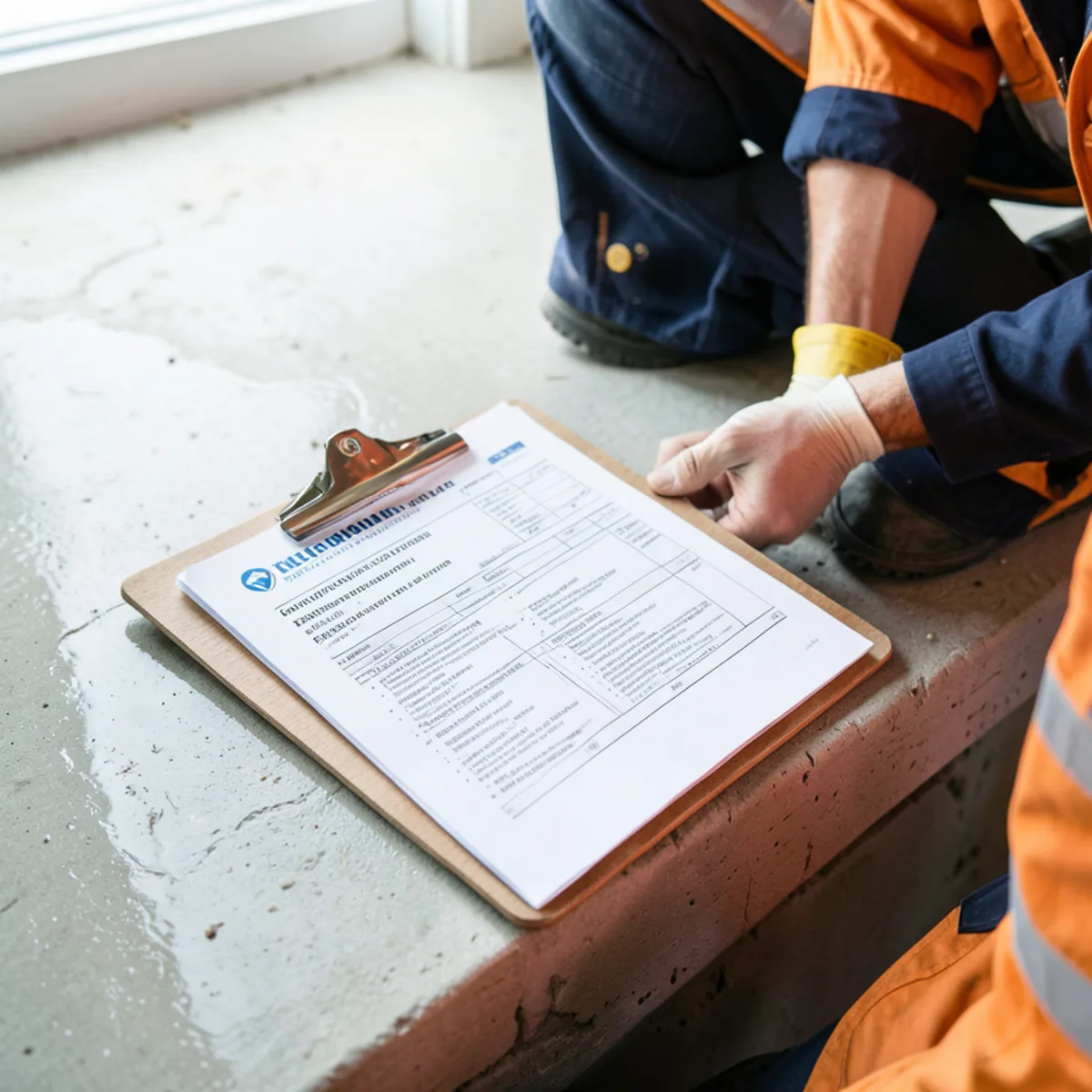
Insurance damage paperwork on clipboard resting on dry basement step

Digital inspection monitor showing root intrusion obstruction in sewer
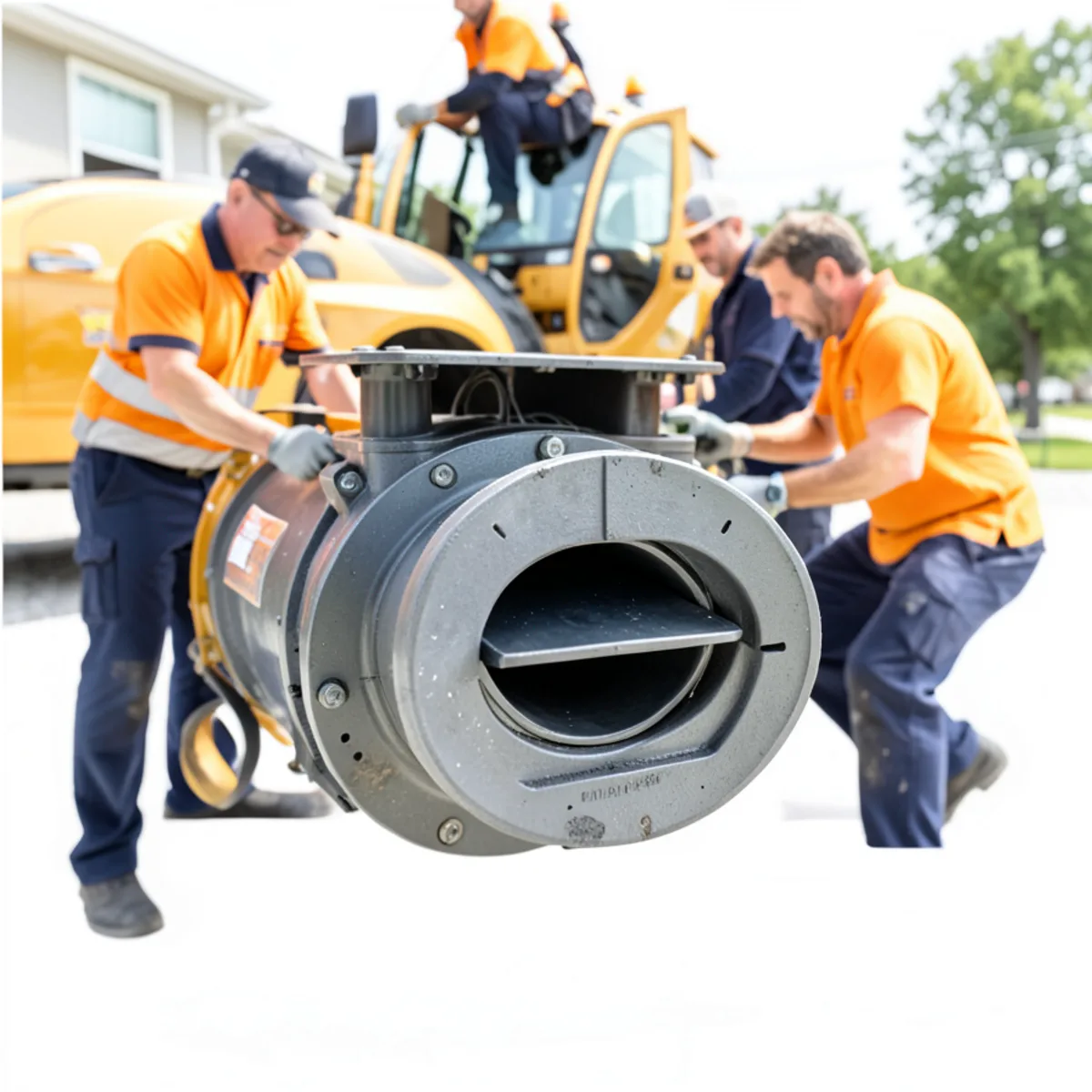
Demonstration model of PVC sewer backwater check valve
Cited References & Regulatory Authorities
Article FAQs
Direct answers to common questions addressed in this guide.
You can submit a claim to the MDC customer claims office, but under Connecticut law, municipal water authorities are rarely held liable unless you can prove the utility had prior notice of a street main blockage and failed to act. You should always contact your private homeowners insurance carrier first.