
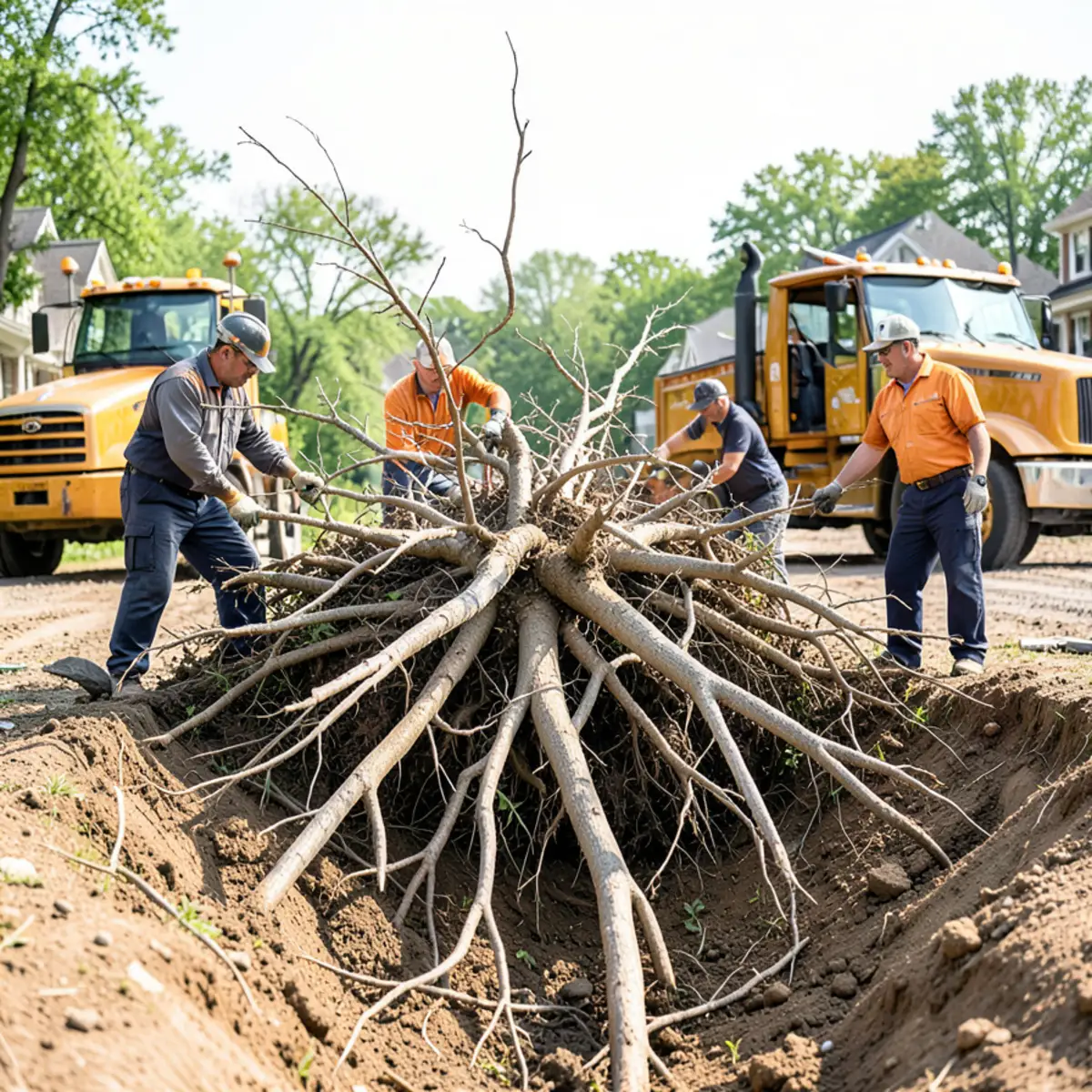
A mature shade tree requires over 100 gallons of water per day during warm summer months. Buried beneath residential front lawns, building sewer laterals carry a continuous stream of warm water, vapor, and nutrients. When roots encounter microscopic gaps in vintage clay pipe joints, they penetrate the line and expand into dense, pipe-choking blockages.
Why Older Hartford County Homes Are at High Risk
In historic communities like West Hartford, Wethersfield, and South Glastonbury, homes constructed prior to 1975 were plumbed using vitrified clay pipe tiles joined together in three-foot or four-foot sections with cement mortar. Over decades of New England ground freezing and settling, these mortar joints crack. Microscopic hair-thin roots enter the pipe in search of moisture, where they rapidly branch into dense fibrous root masses that catch toilet paper and solid waste.
4 Warning Signs Tree Roots Have Invaded Your Sewer
Root intrusion develops progressively over months. Watch for these escalating warning signals:
- Gurgling Toilets & Floor Drains: As water attempts to pass through a restricted root hairnet, trapped air bubbles back up through fixture traps with a distinctive gurgling noise.
- Recurring Clogs Every 6–12 Months: If a drain clearing cable restores flow temporarily only for the toilet to clog again a few months later, roots have regrown across the line.
- Slow Draining Throughout the House: A localized clog affects a single sink; a main root blockage causes bathtubs, showers, and washing machines across the entire home to drain sluggishly.
- Patches of Greener Grass Over the Sewer Lateral: Nutrient-rich wastewater escaping cracked pipe joints acts as liquid fertilizer, causing grass directly over the buried lateral to grow greener and faster.
Need Urgent Plumbing Assistance in Greater Hartford?
Connect with an independent local pro ready to dispatch across Glastonbury, East Hartford, Manchester, and surrounding towns. Free to call with upfront written estimates.
Modern Solutions: Mechanical Cutting, Jetting & Trenchless Lining
Plumbers use three primary methods to resolve root infiltration depending on pipe integrity:
Why Mature Trees and Clay Sewer Pipes Collide in West Hartford
West Hartford is renowned for its magnificent street tree canopy, featuring towering sugar maples, American elms, and northern red oaks lining neighborhoods around West Hartford Center, Fern Street, and Elmwood. Beneath these picturesque streets, however, homes constructed in the 1920s through 1950s rely on vitrified clay sewer laterals installed in three-foot interlocking segments.
Tree roots do not drill through solid clay pipe walls; instead, they exploit tiny cracks in aging mortar collars. Tree root systems naturally follow vapor moisture and nutrient gradients in the soil. A hairline joint opening allows moisture vapors to escape, guiding microscopic root hairnets directly into the pipe. Once inside the sewer line, abundant water and organic nutrients fuel explosive root growth, creating dense root mats that catch toilet paper and cause severe sewage backups.
Mechanical Root Cutting vs High-Pressure Hydro-Jetting
| Feature | Mechanical Root Cutter Augering | High-Pressure Hydro-Jetting |
|---|---|---|
| Mechanism | Rotating spring-steel blade powered by motorized cable | 3,000–4,000 PSI rotating cutting water nozzles |
| Effect on Roots | Slices through central root core to restore temporary flow | Slices roots flush with the pipe wall and flushes debris away |
| Pipe Wall Cleaning | Leaves stubble and roots anchored in joint gaps | Completely scours interior pipe wall to bare clay/cast iron |
| Best Use Case | Emergency clearing to relieve active basement backup | Thorough preparation for camera inspection or trenchless relining |
Permanent Solutions: Trenchless CIPP Epoxy Lining
While mechanical cutting and hydro-jetting restore water flow, tree roots will inevitably grow back within 12 to 24 months as long as the clay joint remains open. The permanent modern solution is trenchless Cured-In-Place Pipe (CIPP) lining. After hydro-jetting cleans the line, an epoxy-saturated felt liner is inverted through the pipe and cured in place. This creates a seamless, continuous structural pipe-within-a-pipe with no joints for roots to penetrate, preserving front yards, mature trees, and paved driveways for over 50 years.
Expert Field Insight: CIPP Relining vs. Pipe Bursting vs. Open Trench Digs
When tree roots have irreparably compromised an underground vitrified clay lateral in West Hartford or Wethersfield, choosing the correct engineering replacement method depends on the remaining structural profile of the pipe:
| Repair Method | Structural Requirement | Lawn/Driveway Impact | Typical Longevity |
|---|---|---|---|
| CIPP Inversion Relining | Pipe must retain circular shape without collapses >20% | Zero surface disruption; single cleanout access | 50+ years (Manning n=0.009) |
| Pneumatic Pipe Bursting | Line can be fractured; requires continuous pull path | Requires small launch and receiving pit excavations | 50–100 years (Seamless HDPE) |
| Open Trench Excavation | Required if line has severe back-pitch or collapsed belly | Full trench across lawn, sidewalk, and street roadway | 50+ years (Schedule-40 PVC) |
For historic homes with bluestone walkways, cobblestone retaining walls, or brick paver driveways along Farmington Avenue or Fern Street, trenchless CIPP lining avoids thousands of dollars in hardscape reconstruction. However, if a fiber-optic camera survey reveals that the clay pipe has structurally collapsed or lost its gravity slope (a condition known as a pipe belly), pneumatic pipe bursting or localized point excavation becomes technically necessary to re-establish proper sewer fall.
Tree Species Root Aggressiveness in Greater Hartford Neighborhoods
Not all landscape trees pose an identical threat to underground utilities. In older neighborhoods across West Hartford and Wethersfield, specific tree species are notorious for aggressive root expansion. Silver maples and weeping willows possess rapid-growing, water-seeking root systems whose lateral spread can reach up to three times the radius of the outer canopy drip line. Mature northern red oaks and sugar maples develop deep structural anchor roots, but their fibrous feeder root network naturally concentrates in the top three to five feet of loose soil—the exact depth where residential sewer laterals are installed.
Seasonal Root Growth Cycles in New England Soil Formations
Tree roots in Connecticut do not grow at a uniform rate year-round. Growth surges occur in early spring when warming soil temperatures and snowmelt trigger vigorous sap flow, and again in late autumn when trees store nutrients ahead of winter dormancy. During hot, dry summer periods, root tips actively hunt for moisture, pushing deep into the gravel bed surrounding sewer laterals. Scheduling preventive sewer camera surveys and root cutting treatments in early autumn catches invasive root tendrils before they form impenetrable root balls that cause catastrophic holiday backups.
How Fiber-Optic Sewer Cameras Accurately Map Root Intrusions
Modern digital sewer cameras feature built-in 512 Hz electromagnetic sondes that transmit a radio frequency signal through underground soil. As the technician pushes the illuminated, self-leveling camera head through the sewer line, an above-ground locator wand detects the exact depth and surface position of tree root intrusions. This allows the contractor to pinpoint whether the root mass is under your front lawn, beside a paved walkway, or at the municipal street connection, eliminating all guesswork before choosing between mechanical hydro-jetting and trenchless relining.
Municipal Main Connection Standards & Street Cut Permitting
In West Hartford, the Metropolitan District Commission (MDC) maintains municipal sewer mains running beneath public roadways, but the homeowner remains legally responsible for the private sewer lateral from the foundation wall out to the main sewer saddle. When tree root damage occurs beneath the public right-of-way, sidewalk, or street asphalt, repair or replacement requires an excavation permit from the West Hartford Engineering Department and MDC inspection coordination.
In these situations, trenchless CIPP lining or pneumatic pipe bursting offers tremendous financial advantages by avoiding costly municipal street cut bonds, traffic control police details, and asphalt restoration mandates. Independent plumbing contractors coordinate directly with Call Before You Dig (CBYD 811) and municipal authorities, ensuring all repair work complies with the 2022 Connecticut State Building Code and Department of Consumer Protection (DCP) standards.
Taking proactive steps as soon as you notice gurgling toilets or slow floor drains prevents raw sewage from backing up into your West Hartford home, safeguarding your finished basement and property value. Call our dispatch desk at (321) 559-0657 to schedule a comprehensive fiber-optic camera survey with an independent sewer specialist.
Visual Field Reference & Diagnostic Guides
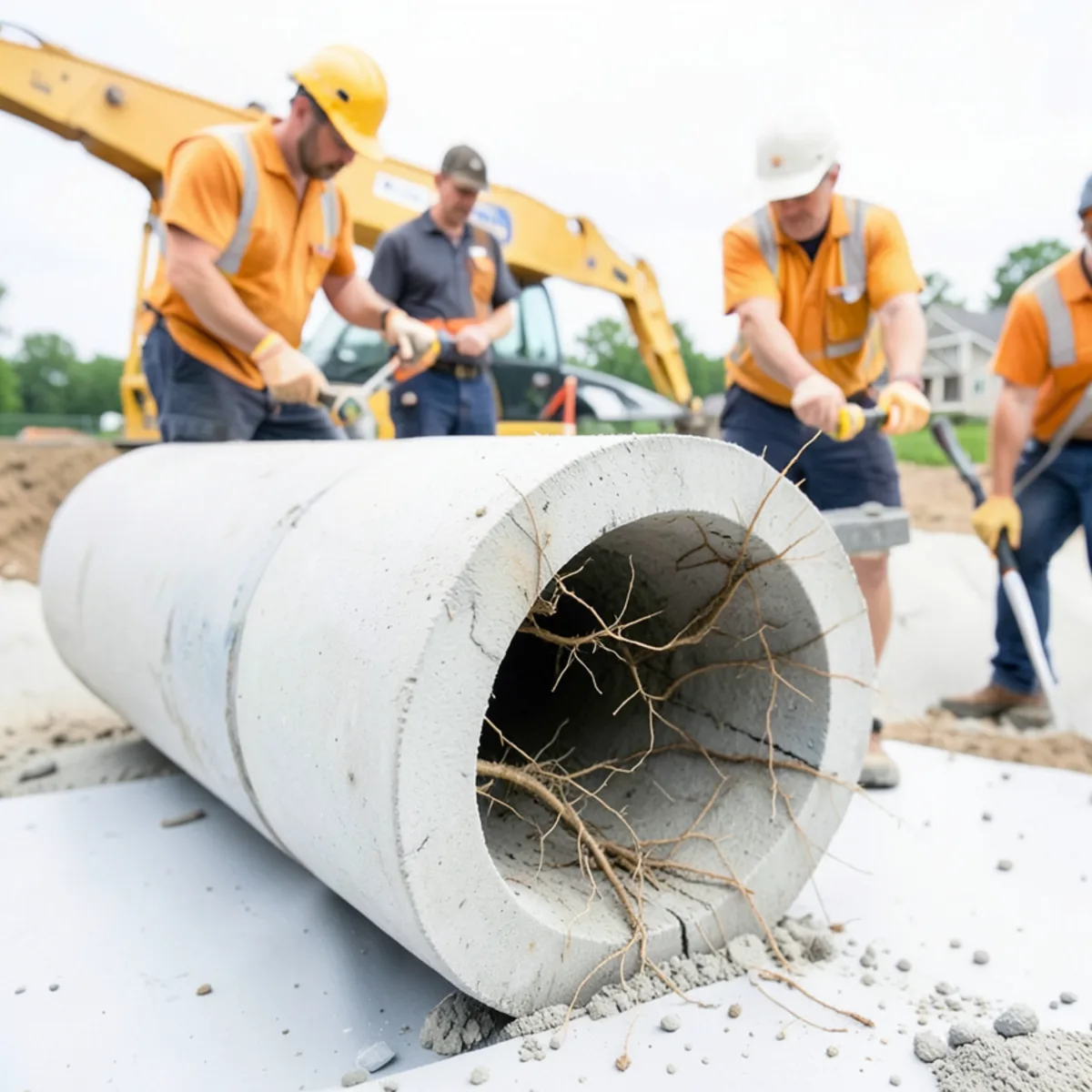
Cutaway view of clay sewer lateral joint penetrated by tree roots
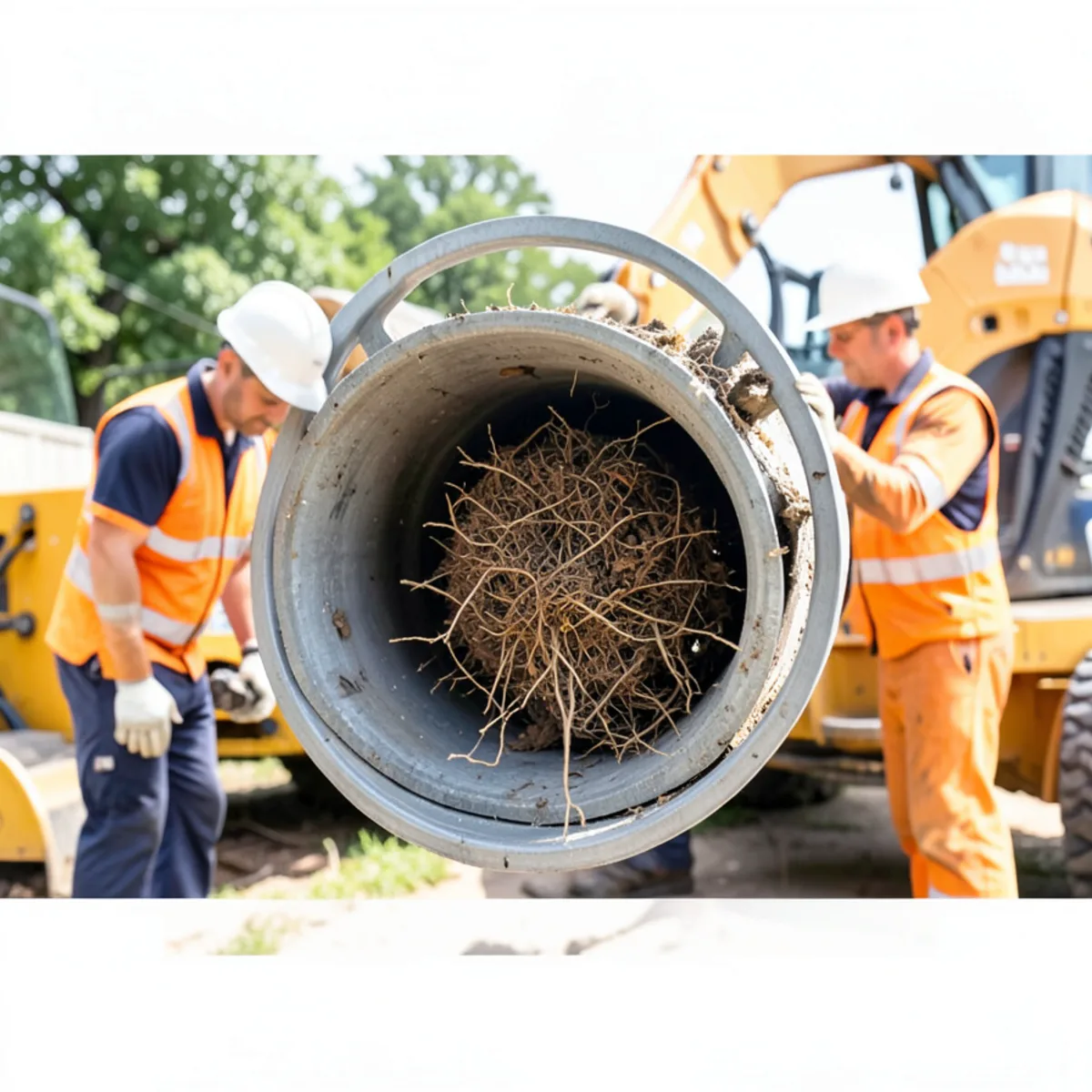
Video camera monitor displaying sewer lateral blocked by root mass
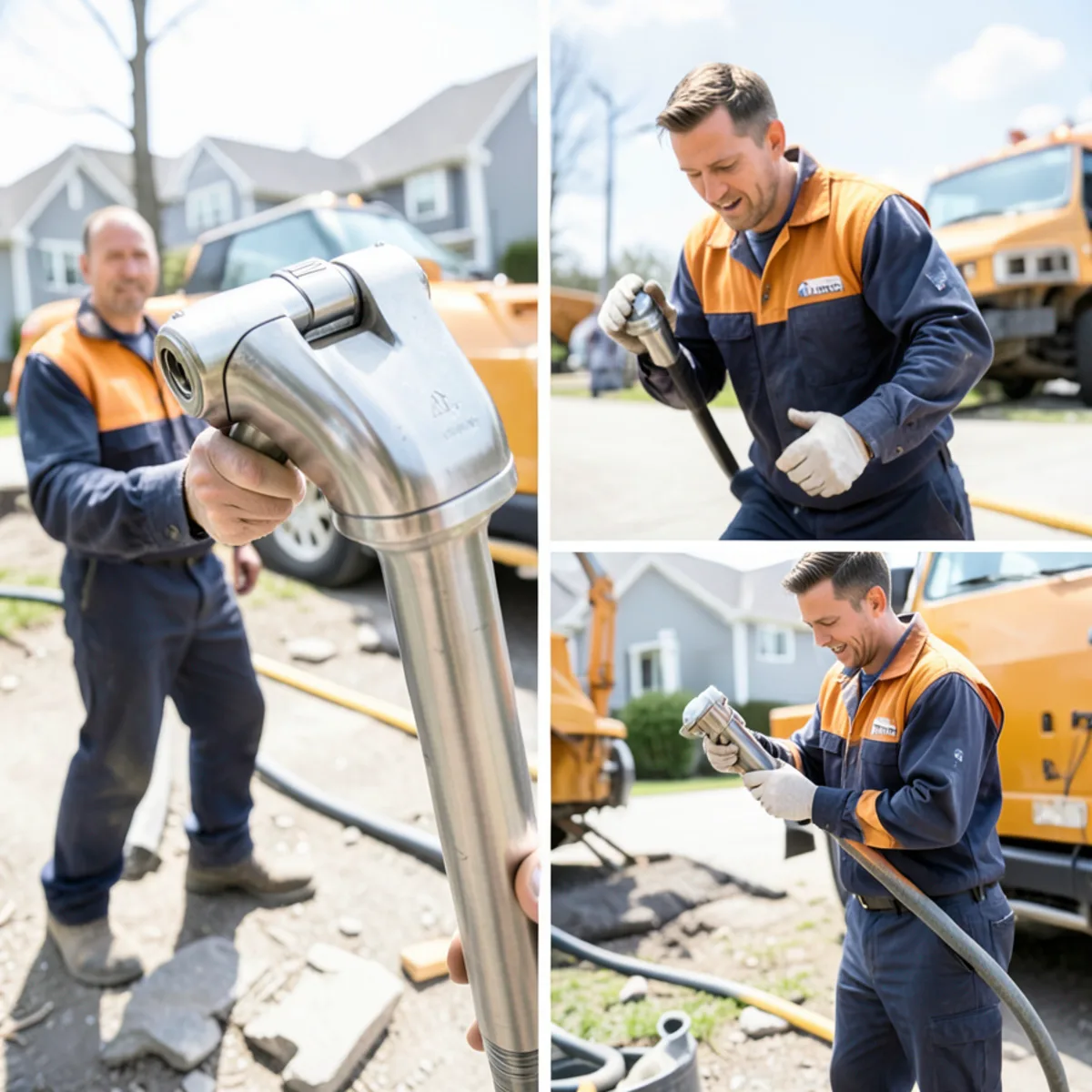
Stainless steel rotary root cutting hydro jet nozzle attached to hose
Cited References & Regulatory Authorities
Article FAQs
Direct answers to common questions addressed in this guide.
Foaming root treatments containing copper sulfate or metam-sodium can temporarily slow root growth at the top of the pipe. However, they cannot remove established, thick root masses, nor can they repair cracked clay joints. Mechanical clearing followed by trenchless relining is the only permanent solution.